

Maintenance and Calibration Are Not the Same Thing
One of the most common misconceptions in the dry cabinet industry is treating maintenance and calibration as interchangeable. Confusing these two concepts leads to significant misunderstandings — both technically and in how products are communicated to the market.
Physical intervention
Covers filter replacements, consumable refills, mechanical servicing, or any hands-on user intervention required to keep the system running.
- Not required by Atlas Dry Cabinets
Measurement verification
The process of comparing sensor readings against an accredited reference standard and formally documenting the result.
- Periodically recommended.
| Maintenance: | Physical intervention to keep the system operational. | Not Required |
| Calibration: | Measurement reliability and quality system traceability. | Periodic |
Why Does Atlas Dry Cabinets Require No Maintenance?
Atlas Dry Cabinets systems require no consumables, no user-performed routine maintenance, and no recurring service visits under normal operation. The technology behind this claim is Dynamic Regeneration.
< 1%
Target humidity level (RH)
0
Consumes Per Year
24/7
Automatic Regeneration
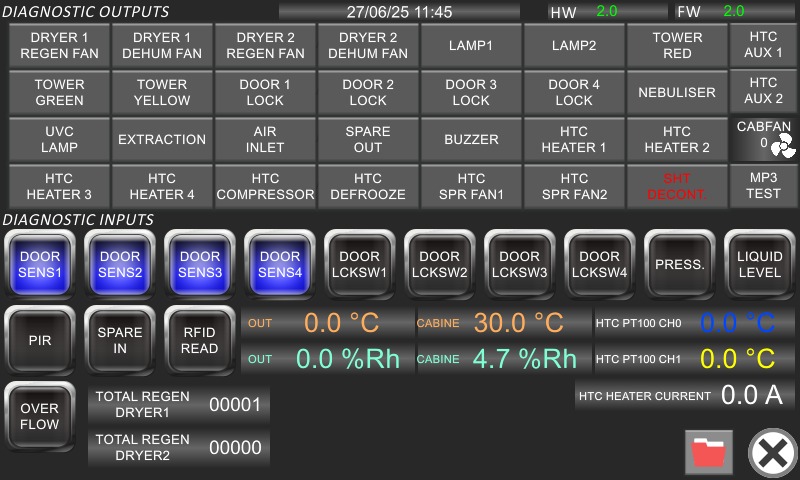
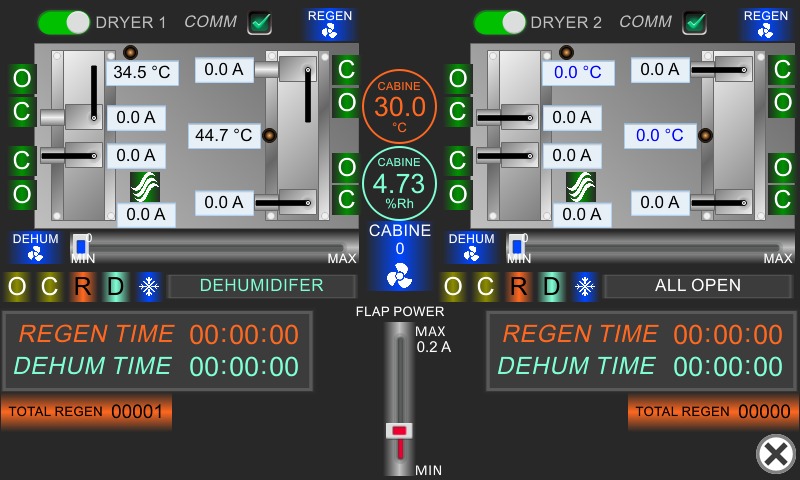
Thanks to Dynamic Regeneration, the system manages all regeneration cycles fully automatically. This architecture delivers two critical operational advantages: lower total cost of ownership and reduced risk of user error.
So Why Does Calibration Still Matter?
The relevance of calibration lies not in whether the system operates, but in the requirements of your quality management system. In the following production environments, periodic verification of humidity measurement instruments is expected — and often mandatory:
- ISO 9001— Meeting measurement equipment management requirements
- AS9100— Aerospace and defense industry quality systems
- ISO 13485— Medical device manufacturing; controlled environment measurement traceability
- IPC/JEDEC J-STD-033— Reliability of sensors used to track MSD floor-life
The risk of uncalibrated sensors: a cabinet operating at 48% RH could display 5% RH due to sensor drift — an invisible but critical threat to moisture-sensitive devices. Calibration systematically identifies deviations like this.
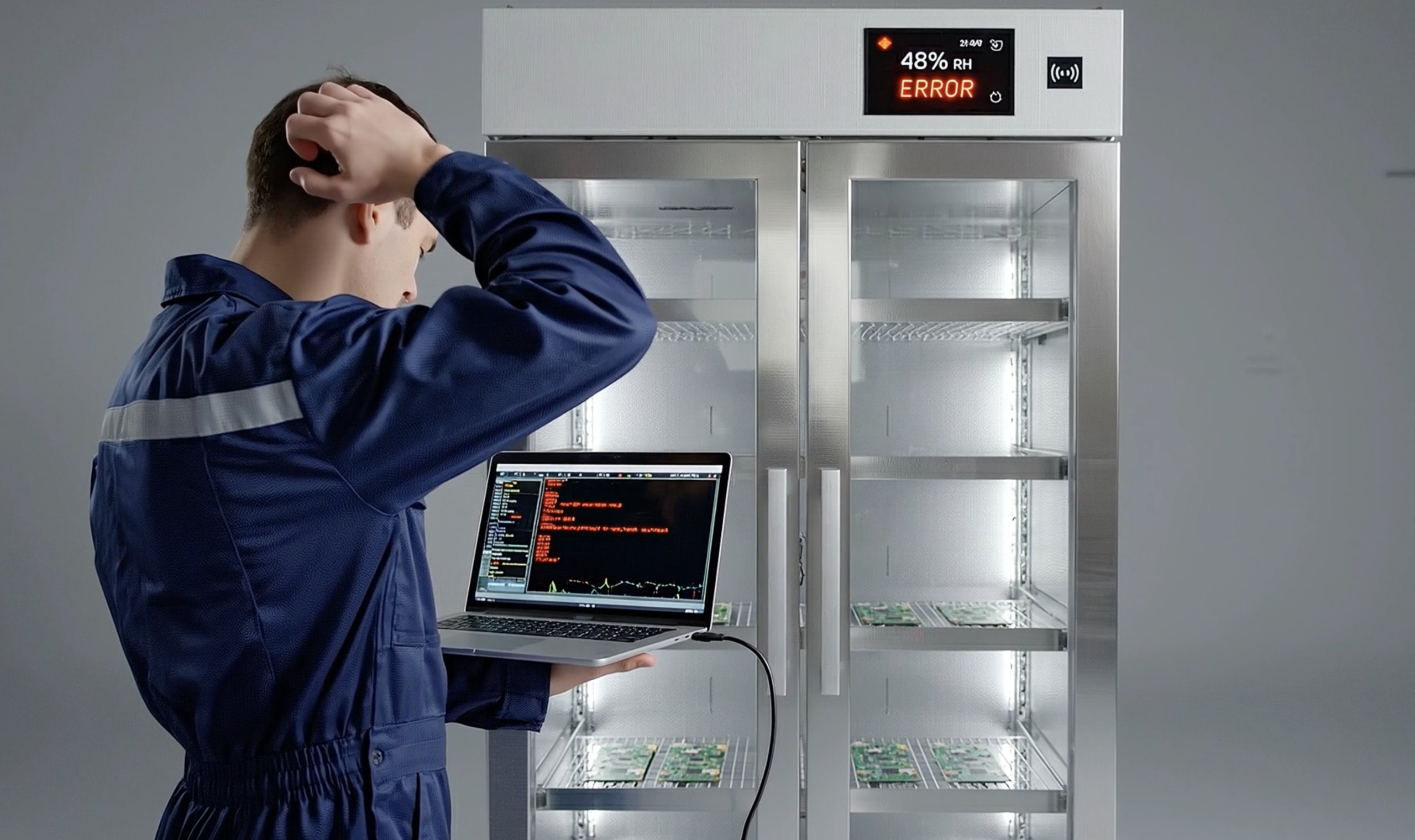
Calibration does not prove that an Atlas system isn’t working — on the contrary, it certifies how well it is working. Understanding this distinction strengthens manufacturer confidence in the cabinet and enables accurate documentation during quality audits.
Sensor Stability and Decontamination
Atlas Dry Cabinets supports long-term sensor reliability through two fundamental approaches:
Industrial-Grade Sensor Design
Low Drift Rate
Industrial-class capacitive humidity sensors exhibit significantly lower drift rates compared to consumer-grade alternatives, maintaining measurement accuracy across extended operating lifetimes.
Sensor Decontamination
Extended calibration intervals
Sensor contamination caused by volatile organic compounds (VOCs) and chemical exposure is systematically eliminated, extending calibration intervals and reducing drift risk.
What to Do and When?
The practical guide for manufacturers using Atlas systems: there is no maintenance concern — Dynamic Regeneration eliminates it entirely. That said, we recommend having the humidity sensor verified at an accredited laboratory annually or every two years, depending on your quality system’s requirements.
This keeps your audit documentation current, maintains the IPC/JEDEC J-STD-033 traceability chain, and gives your quality team complete confidence in every logged measurement. Contact our application engineering team to discuss the right calibration protocol for your production environment.
- 10 Critical Questions to Ask Before Buying a Dry Cabinet

- Why Calibration Still Matters in Maintenance-Free Dry Cabinets
- Productronica Expo was a great success for Atlas Dry Cabinets. Throughout the exhibition, we received strong interest from customers and distributors from all over the world.

- Atlas Dry Cabinets has already become the choice of many companies in the industry.
